Dutch Groups Want Meta Smart Glasses Pulled From Shelves Over Privacy Fears
 Written by
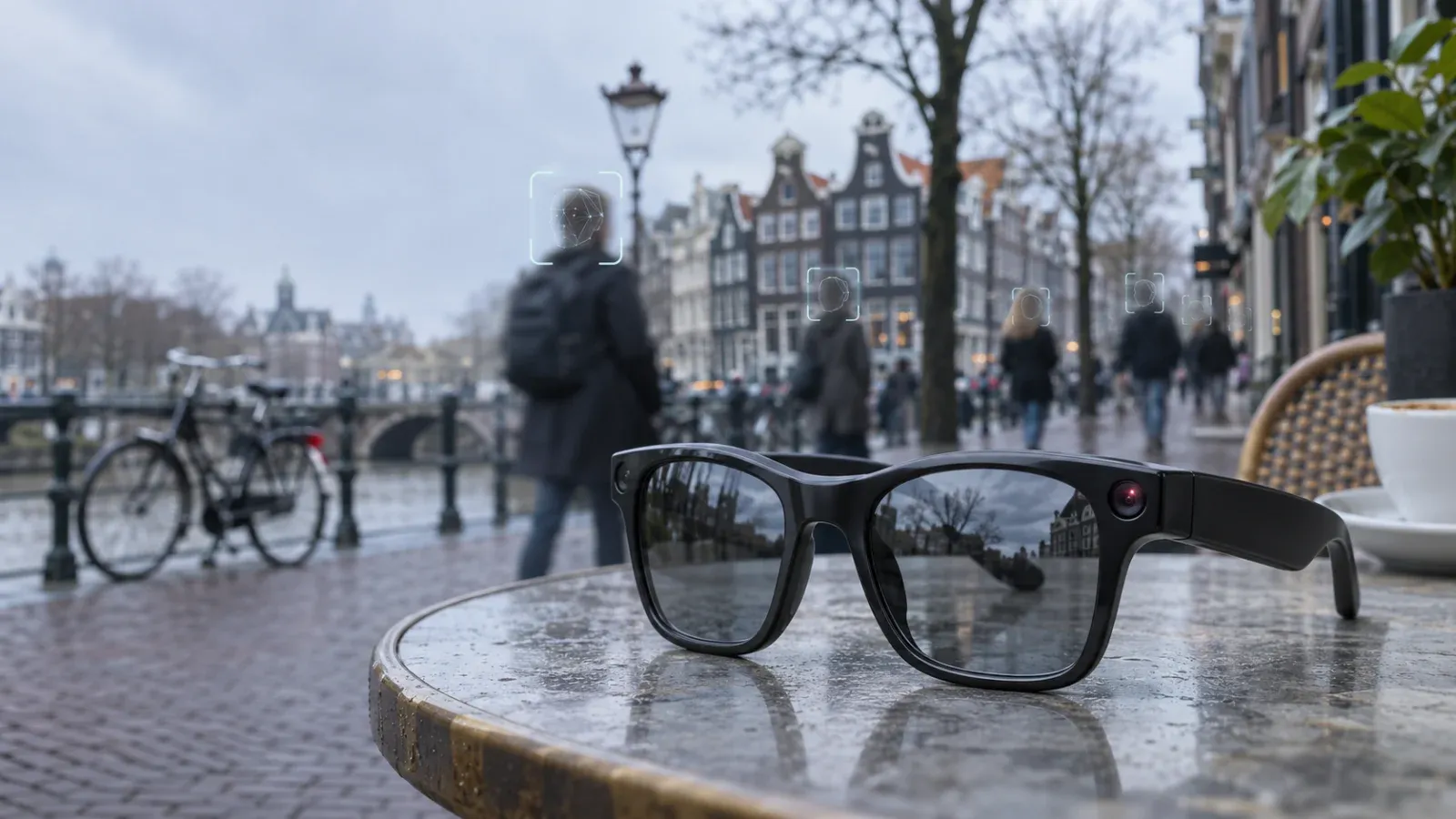
Meta’s smart glasses are facing a serious privacy showdown in the Netherlands — and consumer groups want a judge to hit the brakes on sales.
At a November 26 hearing in Amsterdam, Dutch consumer and digital-rights groups argued that the AI-powered eyewear lets people record others without their knowledge, violating European privacy rules. Their demand: stop selling the glasses in the Netherlands until the problems are fixed.
The groups also want Meta to prevent people from being recorded without their knowledge and stop using recordings to train AI models, Reuters reported. Meta denies allegations that it improperly processes European recordings or uses them to train AI.
Privacy Advocates See Trouble in the Frames
The plaintiffs include Dutch consumer association Consumentenbond and Offlimits, which campaigns against online sexual abuse. They argue the glasses, developed with Ray-Ban owner EssilorLuxottica, could leave people worrying about being filmed as they go about their lives.
Offlimits lawyer Karlijn Han told the court the devices were being used for covert sexualized images and raised concerns about secret recording in places ranging from changing rooms to hospitals, according to Reuters. Those are the plaintiffs’ allegations, not findings by the court.
The groups are seeking penalties of €100,000 per day per defendant for noncompliance, capped at €100 million. The proposed sales halt would apply to the Netherlands, not the whole of Europe.
Meta Says There’s a Warning Light
Meta’s lawyer, Bastiaan Kemp, urged the court to reject the case. He argued that the demands would hurt legitimate users and Meta’s competitive position without addressing similar products, and said a light on the frames makes recording obvious.
In its own explanation of the glasses, Meta says a white capture light blinks when photos or videos are taken for a wearer’s gallery. The company also says its newer glasses disable the camera when they detect the light has been blocked or tampered with.
But Consumentenbond says that after Meta’s September privacy updates, it was still able to film with a sticker over the light. EssilorLuxottica’s lawyer, meanwhile, argued that the company neither processes nor has access to footage and that a sales ban would be disproportionate.
The Pushback Is Bigger Than One Courtroom
Earlier in November, the Dutch data protection authority advised against buying AI camera glasses for general use. After examining six products, it said the recording lights on nearly all were barely visible and easy to cover. Its warning addressed the products it studied as a group, not just Meta’s glasses.
And in Germany, the national consumer federation announced legal action over what it says are privacy and consumer-information violations involving Meta and Ray-Ban glasses.
For now, the Amsterdam court has not issued a ruling. A decision is expected in mid-December and by December 24 at the latest, according to Reuters. Until then, the battle over what bystanders can see — and what the glasses can capture — remains very much in focus.
Comments
No comments yet. Be the first to comment!
Leave a Comment