ByteDance’s Seedance 2.0 Faces Capitol Hill Backlash Over AI Copyright Fears
 Written by
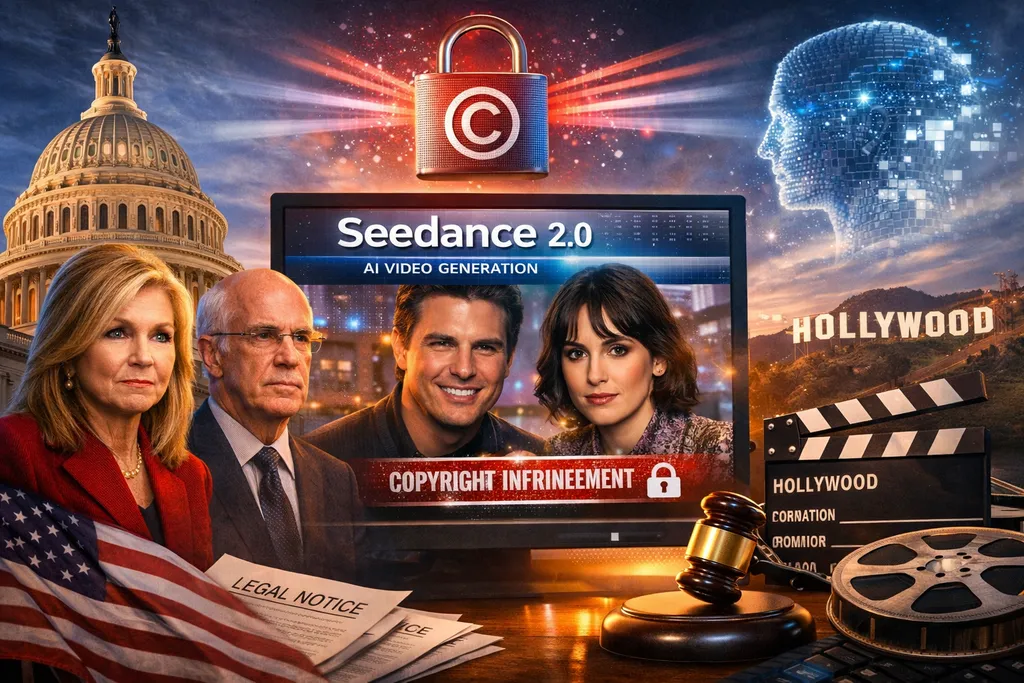
ByteDance is facing mounting pressure in Washington after its new AI video generator, Seedance 2.0, sparked fresh concerns over copyright, celebrity likenesses, and the growing power of generative media.
The tool, which can produce highly realistic video clips featuring recognizable people and popular fictional characters, has quickly drawn scrutiny from US lawmakers. Senators Marsha Blackburn and Peter Welch are urging the company to shut the platform down, arguing that it crosses a line on intellectual property and risks enabling widespread misuse of copyrighted content.
In a letter to ByteDance CEO Liang Rubo, the senators described Seedance 2.0 as a serious threat to artists, studios, and the broader creative economy. Their criticism centers on examples of AI-generated clips that reportedly featured stars such as Tom Cruise and Brad Pitt, along with references to major entertainment franchises including Stranger Things. According to the lawmakers, those outputs show how easily the technology could imitate protected likenesses and copyrighted material without permission.
ByteDance has acknowledged the concerns and said it is working to strengthen safeguards. The company told CNBC, as quoted in the Yahoo article, that it respects intellectual property rights and is taking additional steps to prevent unauthorized uses of copyrighted works and personal likenesses. Reports also indicate the company has paused a wider global rollout of Seedance 2.0 while it responds to the backlash.
The controversy is not limited to Capitol Hill. Hollywood groups, including the Motion Picture Association, have also raised alarms, with reports saying the industry has already sent legal warnings to ByteDance over the tool’s capabilities. The dispute adds to a larger debate over how AI systems are trained, what kinds of material they can replicate, and whether current laws are strong enough to protect creators.
For now, Seedance 2.0 has become the latest flashpoint in the intensifying clash between AI innovation and the rights of artists, actors, and studios. As lawmakers push for stronger protections, the fight over where creative freedom ends and infringement begins is only becoming more urgent.
The tool, which can produce highly realistic video clips featuring recognizable people and popular fictional characters, has quickly drawn scrutiny from US lawmakers. Senators Marsha Blackburn and Peter Welch are urging the company to shut the platform down, arguing that it crosses a line on intellectual property and risks enabling widespread misuse of copyrighted content.
In a letter to ByteDance CEO Liang Rubo, the senators described Seedance 2.0 as a serious threat to artists, studios, and the broader creative economy. Their criticism centers on examples of AI-generated clips that reportedly featured stars such as Tom Cruise and Brad Pitt, along with references to major entertainment franchises including Stranger Things. According to the lawmakers, those outputs show how easily the technology could imitate protected likenesses and copyrighted material without permission.
ByteDance has acknowledged the concerns and said it is working to strengthen safeguards. The company told CNBC, as quoted in the Yahoo article, that it respects intellectual property rights and is taking additional steps to prevent unauthorized uses of copyrighted works and personal likenesses. Reports also indicate the company has paused a wider global rollout of Seedance 2.0 while it responds to the backlash.
The controversy is not limited to Capitol Hill. Hollywood groups, including the Motion Picture Association, have also raised alarms, with reports saying the industry has already sent legal warnings to ByteDance over the tool’s capabilities. The dispute adds to a larger debate over how AI systems are trained, what kinds of material they can replicate, and whether current laws are strong enough to protect creators.
For now, Seedance 2.0 has become the latest flashpoint in the intensifying clash between AI innovation and the rights of artists, actors, and studios. As lawmakers push for stronger protections, the fight over where creative freedom ends and infringement begins is only becoming more urgent.
Comments
No comments yet. Be the first to comment!
Leave a Comment